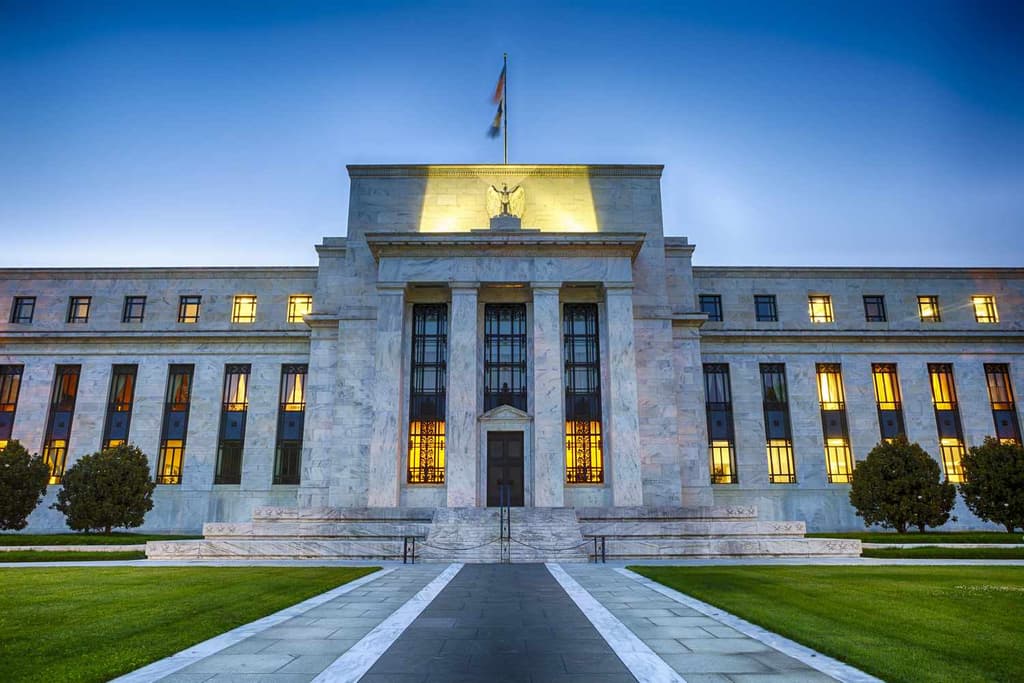
**Trader consensus on the Polymarket for Fed decisions through October 2026 heavily favors a Pause–Pause–Pause sequence at 57.5% implied probability, reflecting the central bank’s steady 3.50–3.75% federal funds target range after the July hold.** Elevated year-over-year CPI at 3.4% in July, driven by energy prices up 14.7% amid Iran-related supply disruptions, has kept inflation risks top of mind for policymakers despite core readings near 2.5%. The softer July jobs report showing a 23,000 payroll decline and 4.1% unemployment has reduced pressure for immediate tightening or easing, with initial claims remaining stable near 206,000. This combination supports market-implied odds that the FOMC will maintain its current stance at the September and October meetings absent sharper disinflation or labor-market deterioration. Key upcoming catalysts include the August CPI release and September employment data that will shape expectations ahead of the next policy votes.
Experimental AI-generated summary referencing Polymarket data. This is not trading advice and plays no role in how this market resolves. · UpdatedPause–Pause–Pause 57%
Other 41%
Pause–Pause–Cut 1.8%
Pause–Cut–Pause 1.0%
$720,951 Vol.
$720,951 Vol.
Pause–Pause–Pause
57%
Pause–Pause–Cut
2%
Pause–Cut–Pause
1%
Pause–Cut–Cut
<1%
Other
41%
Pause–Pause–Pause 57%
Other 41%
Pause–Pause–Cut 1.8%
Pause–Cut–Pause 1.0%
$720,951 Vol.
$720,951 Vol.
Pause–Pause–Pause
57%
Pause–Pause–Cut
2%
Pause–Cut–Pause
1%
Pause–Cut–Cut
<1%
Other
41%
This market will resolve according to the decisions made by the next three Federal Open Market Committee (FOMC) meetings: July 28-29; September 15-16; and October 27-28.
A qualifying cut occurs when the new upper bound of the target federal funds rate is lower compared to the level it was prior to the respective meeting.
A qualifying hike occurs when the new upper bound of the target federal funds rate is higher compared to the level it was prior to the respective meeting.
A qualifying pause occurs when the new upper bound of the target federal funds rate is equal to the level it was prior to the respective meeting.
If the Fed publishes a different combination than any listed, this market will resolve to "Other". Any rate hike will be encompassed by "Other".
Emergency rate cuts outside the regularly scheduled meetings will not be considered.
The resolution source for this market is the FOMC’s statement after its meetings:
https://www.federalreserve.gov/monetarypolicy/fomccalendars.htm
The level and change of the target federal funds rate is also published at the official website of the Federal Reserve:
https://www.federalreserve.gov/monetarypolicy/openmarket.htm
Market Opened: Jun 17, 2026, 7:17 PM ET
Resolver
0x69c47De9D...This market will resolve according to the decisions made by the next three Federal Open Market Committee (FOMC) meetings: July 28-29; September 15-16; and October 27-28.
A qualifying cut occurs when the new upper bound of the target federal funds rate is lower compared to the level it was prior to the respective meeting.
A qualifying hike occurs when the new upper bound of the target federal funds rate is higher compared to the level it was prior to the respective meeting.
A qualifying pause occurs when the new upper bound of the target federal funds rate is equal to the level it was prior to the respective meeting.
If the Fed publishes a different combination than any listed, this market will resolve to "Other". Any rate hike will be encompassed by "Other".
Emergency rate cuts outside the regularly scheduled meetings will not be considered.
The resolution source for this market is the FOMC’s statement after its meetings:
https://www.federalreserve.gov/monetarypolicy/fomccalendars.htm
The level and change of the target federal funds rate is also published at the official website of the Federal Reserve:
https://www.federalreserve.gov/monetarypolicy/openmarket.htm
Resolver
0x69c47De9D...**Trader consensus on the Polymarket for Fed decisions through October 2026 heavily favors a Pause–Pause–Pause sequence at 57.5% implied probability, reflecting the central bank’s steady 3.50–3.75% federal funds target range after the July hold.** Elevated year-over-year CPI at 3.4% in July, driven by energy prices up 14.7% amid Iran-related supply disruptions, has kept inflation risks top of mind for policymakers despite core readings near 2.5%. The softer July jobs report showing a 23,000 payroll decline and 4.1% unemployment has reduced pressure for immediate tightening or easing, with initial claims remaining stable near 206,000. This combination supports market-implied odds that the FOMC will maintain its current stance at the September and October meetings absent sharper disinflation or labor-market deterioration. Key upcoming catalysts include the August CPI release and September employment data that will shape expectations ahead of the next policy votes.
Experimental AI-generated summary referencing Polymarket data. This is not trading advice and plays no role in how this market resolves. · Updated
Beware of external links.
Beware of external links.
Frequently Asked Questions