
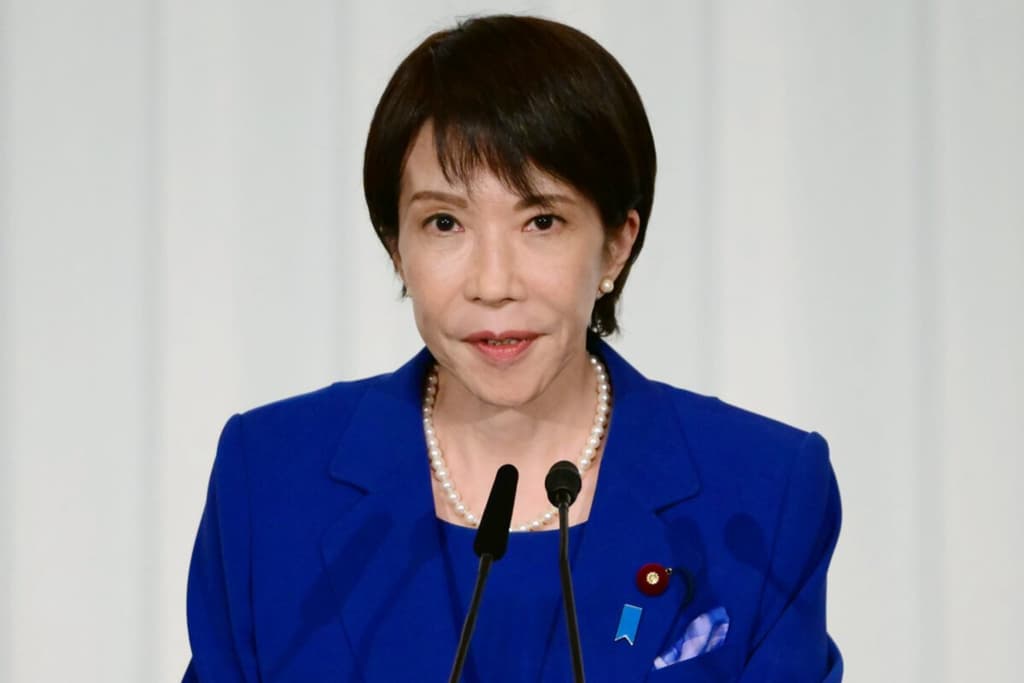
**Prime Minister Sanae Takaichi dissolved Japan’s House of Representatives on 23 January 2026, triggering a snap general election on 8 February that delivered the LDP a record 316 seats and a supermajority in coalition with the Japan Innovation Party.** This outcome followed the collapse of the prior LDP–Komeito arrangement and gave the government a fresh, strong mandate early in the year. With the new four-year term running until 2030 and the ruling bloc holding comfortable control of the lower house, traders see little incentive or pressure for another dissolution before year-end. The upper house cannot be dissolved, further limiting options for snap polls. A decisive victory has reduced the usual triggers for early elections—fragile majorities or eroding support—leaving the situation stable through the remainder of 2026. Realistic shifts could still arise from a sharp drop in cabinet approval ratings triggered by economic pressures, unresolved scandals, or unforeseen diplomatic/security developments that prompt the prime minister to seek a renewed mandate.
Experimental AI-generated summary referencing Polymarket data. This is not trading advice and plays no role in how this market resolves. · UpdatedThe primary resolution source for this market is official information from the government of Japan, however a consensus of credible reporting will also be used.
Market Opened: Apr 23, 2026, 6:19 PM ET
Resolver
0x65070BE91...The primary resolution source for this market is official information from the government of Japan, however a consensus of credible reporting will also be used.
Resolver
0x65070BE91...**Prime Minister Sanae Takaichi dissolved Japan’s House of Representatives on 23 January 2026, triggering a snap general election on 8 February that delivered the LDP a record 316 seats and a supermajority in coalition with the Japan Innovation Party.** This outcome followed the collapse of the prior LDP–Komeito arrangement and gave the government a fresh, strong mandate early in the year. With the new four-year term running until 2030 and the ruling bloc holding comfortable control of the lower house, traders see little incentive or pressure for another dissolution before year-end. The upper house cannot be dissolved, further limiting options for snap polls. A decisive victory has reduced the usual triggers for early elections—fragile majorities or eroding support—leaving the situation stable through the remainder of 2026. Realistic shifts could still arise from a sharp drop in cabinet approval ratings triggered by economic pressures, unresolved scandals, or unforeseen diplomatic/security developments that prompt the prime minister to seek a renewed mandate.
Experimental AI-generated summary referencing Polymarket data. This is not trading advice and plays no role in how this market resolves. · Updated

Beware of external links.
Beware of external links.
Frequently Asked Questions