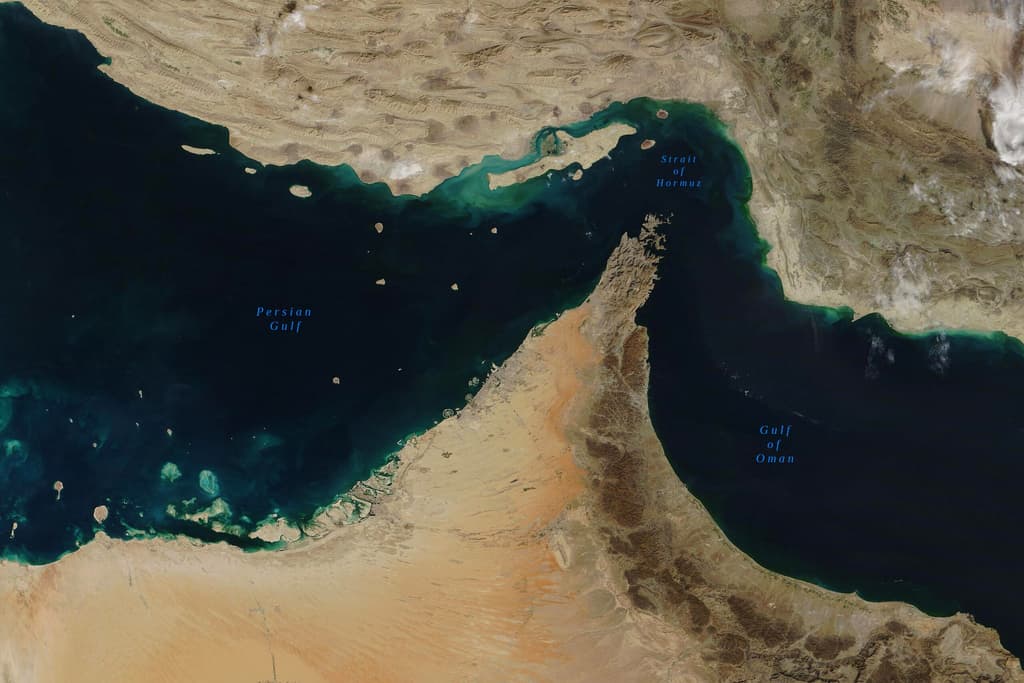
Persistent geopolitical tensions from the Iran-US conflict, now in its 176th day as of August 23, 2026, continue to constrain Strait of Hormuz traffic to roughly 1-6% of pre-crisis levels of ~73-130 daily transits. War-risk insurance premiums at 40x normal rates have priced out most commercial operators, while Brent crude holds near $94 per barrel amid supply uncertainty. Recent developments include Iran's August 17 seizure of a chemical tanker, approval of transit service fees by parliament, and selective permissions for limited vessels, sustaining extreme risk and rerouting. These dynamics keep market-implied odds for near-term normalization low, with traders monitoring any de-escalation signals or FOMC-adjacent energy price impacts for shifts in sentiment.
Experimental AI-generated summary referencing Polymarket data. This is not trading advice and plays no role in how this market resolves. · UpdatedShipping traffic through Strait of Hormuz begins to increase despite conflict
August 31 dips to 13%1%
By July 29, shipping traffic started to pick up with 14 crude oil tankers transiting the strait, supported by US naval escorts. This indicated a cautious recovery in maritime flows despite ongoing hostilities, though volumes remained below normal levels.
US pauses new strikes; Iran denies current negotiations
August 31 dips to 13%1%
On July 27, the US paused new strikes while Iran stated no current negotiations were underway. Shipping intelligence reported 78 vessels transiting the Strait since the weekend, mostly via Iran's preferred northern route, indicating some limited movement but continued operational risks and low overall traffic levels.
Iran re-declares Strait of Hormuz closed amid ongoing US escort operations
August 15 dips to 6%2%
On July 27, Iran officially re-declared the strait closed while US Central Command reported escorting hundreds of vessels through, highlighting the complex and contested nature of transit status. This ambiguity kept market uncertainty high and prices low.
Houthi naval blockade declaration complicates regional shipping routes
On July 20, Houthi rebels declared a naval blockade against Saudi Arabia, increasing regional shipping risks and complicating alternative export routes, which affected UAE shipping and added strategic planning challenges for maritime operators.
Maritime traffic remains low as Houthis resume attacks in Red Sea
August 31 dips to 13%1%
By July 24, maritime traffic through the Strait of Hormuz remained at a fraction of normal levels due to ongoing US blockade enforcement and renewed Houthi attacks, sustaining high risk and low transit volumes.
Strait of Hormuz operating at fraction of pre-crisis capacity with only 15 transits
August 31 dips to 13%1%
As of July 24, the Strait was operating at a fraction of its normal capacity, with only 15 transits recorded on July 19 against a baseline of 88. This low throughput amid ongoing conflict and blockade maintained downward pressure on market optimism for normalization by August.
US-UK plan international coalition to protect Strait of Hormuz shipping
August 31 dips to 13%1%
On July 24, reports emerged of US and UK plans to convene a high-level meeting to explore forming an international coalition to protect maritime shipping in the Strait. While no operation was announced, this diplomatic effort aimed to improve security and maintain passage, offering some market hope.
Strait of Hormuz recorded only 10 transits amid ongoing blockade and naval escorts
August 31 dips to 13%1%
On July 23, IMF PortWatch data showed only 10 vessel transits, confirming the strait remained effectively closed with convoys moving under naval escort. This reinforced market expectations that normal traffic levels would not resume by August 15 or 31.
Strait of Hormuz effectively closed to commercial shipping; convoys move under naval escort
August 31 drops to 9%5%
By July 23, the Strait of Hormuz was effectively closed to commercial shipping with only 10 transits recorded against a pre-crisis baseline of 88, as Iran rejected alternative southern routing and naval escorts became necessary for passage.
PortWatch records only 10 transits amid ongoing closure and sanctions
August 31 drops to 7%6%
On July 23, IMF PortWatch recorded just 10 vessel transits through the Strait of Hormuz against a pre-crisis baseline of 88, reflecting the continued effective closure and impact of US sanctions and military actions, reinforcing market pessimism about traffic normalization.
US-UK plan international coalition to protect Strait of Hormuz shipping
On July 24, reports emerged of US and UK planning a high-level meeting to explore an international coalition for maritime security in the strait, indicating diplomatic efforts to stabilize shipping but with limited immediate impact on traffic volumes.
Security alerts keep Strait of Hormuz shipping cautious and subdued
August 31 dips to 17%4%
Between July 22-24, high security risks and official warnings persisted, with the UN advising against transit until safety conditions improved. Shipping traffic remained subdued as governments discussed forming an international coalition to protect maritime shipping.
Maritime traffic sharply declines amid escalating US-Iran tensions
August 31 dips to 11%3%
Between July 13-19, maritime traffic through the Strait of Hormuz dropped sharply due to escalating security tensions and renewed US military strikes. Non-Iranian ship transits fell drastically, reflecting the fragile security environment and ongoing disruptions to normal shipping activity.
Crew abandon tanker after attack in Strait of Hormuz; US continues strikes on Iranian military targets
August 31 dips to 11%3%
On July 20, a tanker was struck by an unknown projectile in the Strait of Hormuz, forcing the crew to abandon ship. Concurrently, US military strikes targeted Iranian command centers to degrade its ability to attack commercial shipping, maintaining high regional tensions.
US resumes military strikes on Iran amid renewed Hormuz tensions
August 31 rises to 14%4%
Renewed US military strikes on Iran around July 20 escalated tensions, causing tanker owners to become nervous and shipping traffic to drop further, reinforcing the strait's effective closure and dampening market hopes for a quick return to normal traffic.
Tanker hit by projectile in Strait of Hormuz; crew abandons ship
August 31 dips to 11%3%
On July 20, a tanker was struck by an unknown projectile in the Strait of Hormuz, forcing the crew to abandon the vessel. This incident, amid ongoing US strikes on Iranian military infrastructure, further suppressed commercial vessel transits through the strait.
Tanker struck by projectile near Oman; crew abandons ship amid conflict
August 31 dips to 7%3%
On July 20, a tanker was hit by an unknown projectile near the Strait of Hormuz, forcing the crew to abandon ship. This incident underscored ongoing security risks and contributed to the continued suppression of shipping traffic and market pessimism about near-term normalization.
Strait of Hormuz operating at fraction of pre-crisis capacity with 15 transits
August 31 drops to 10%8%
On July 19, IMF PortWatch recorded only 15 vessel transits, far below the 88 per day pre-crisis baseline, confirming the strait remained heavily restricted. This ongoing low throughput pressured market expectations for normalization further downward.
IRGC declares maritime traffic ban in Strait of Hormuz
On July 19, Iran's Islamic Revolutionary Guard Corps officially banned all maritime traffic through the Strait of Hormuz following incidents involving vessels defying warnings. This declaration effectively closed the strait to commercial shipping, severely limiting transit volumes and reinforcing market pessimism about traffic normalization.
Iran's IRGC bans all maritime traffic through Strait of Hormuz
August 31 dips to 10%2%
On July 19, Iran's Islamic Revolutionary Guard Corps officially banned all maritime traffic through the Strait, citing safety concerns after vessel incidents. This declaration effectively closed the strait to commercial shipping, causing a sharp decline in vessel transits and market confidence.
Iranian state media reports total maritime traffic ban in Strait of Hormuz
August 31 jumps to 15%5%
On July 19, Iranian media reported a complete ban on maritime traffic in the strait, with accidents occurring after vessels defied IRGC warnings, further confirming the blockade and suppressing shipping activity.
Strait of Hormuz traffic remains severely restricted with only 15 transits recorded
By July 19, IMF PortWatch recorded only 15 transits against a pre-crisis baseline of 88, indicating the strait was still effectively closed to normal commercial shipping. This low traffic level maintained downward pressure on market optimism for a return to normal by mid or late August.
Strait of Hormuz remains effectively closed with minimal vessel transits
August 31 rises to 13%3%
PortWatch recorded only 15 vessel transits on July 19, far below the pre-crisis baseline of 88 per day, indicating the strait remains effectively closed to commercial shipping. The ongoing conflict and security risks continue to suppress traffic and maintain extreme crisis pressure levels.
US bombs Iran for ninth consecutive night as Hormuz tensions escalate
August 31 dips to 10%4%
On July 19-20, US airstrikes against Iran intensified, marking nine consecutive nights of bombing and escalating tensions in the Strait of Hormuz region, which further suppressed shipping traffic and diminished hopes for normalization by July 31.
Iran declares all maritime traffic banned in Strait of Hormuz amid accidents
August 31 dips to 10%1%
On July 19, Iranian state media reported a complete ban on maritime traffic in the Strait of Hormuz, with accidents occurring after vessels defied IRGC warnings, further reducing shipping activity.
US disables tanker violating blockade, Strait transits hit new lows
August 31 dips to 11%1%
On July 17, US forces disabled an oil tanker attempting to enter Iranian ports, reinforcing the blockade and contributing to a 51.9% decrease in transits compared to the previous week.
US disables oil tanker violating blockade, further reducing transit volumes
August 31 dips to 10%1%
On July 17, US Central Command disabled an oil tanker violating the blockade, signaling strict enforcement and causing a 51.9% decrease in transits compared to the prior week, reinforcing market pessimism about traffic recovery.
U.S. disables oil tanker violating blockade, transits hit new lows amid ceasefire breakdown
On July 17, U.S. forces disabled an oil tanker allegedly violating the blockade, coinciding with a 51.9% decrease in transits compared to the previous week. The ceasefire between Tehran and Washington deteriorated, causing further decline in shipping activity and market confidence.
US disables oil tanker enforcing blockade; transits drop sharply
August 31 dips to 12%2%
On July 17, US Central Command disabled an oil tanker violating the blockade, coinciding with a 51.9% decrease in transits compared to the previous week. This enforcement action and renewed hostilities further suppressed shipping traffic and diminished market confidence in a near-term recovery.
US naval blockade reduces Strait transits to just seven vessels in 24 hours
August 31 drops to 11%7%
On July 16, Kpler data showed only seven vessels crossing the strait in 24 hours, down from 13 the previous day, reflecting the impact of the US naval blockade and escalating conflict, further depressing market hopes for normalization.
US intensifies strikes on Iran as Strait of Hormuz shipping traffic slumps
August 31 drops to 12%6%
On July 16, the US launched intensified airstrikes against Iranian military targets, including an oil tanker near Iran's main export terminal, amid a sharp decline in shipping traffic through the Strait of Hormuz. This escalation contributed to continued disruption and low vessel transit volumes.
US reinstates naval blockade of Iranian ports, heightening Strait of Hormuz tensions
August 31 dips to 12%1%
On July 15, the US reinstated a naval blockade of Iranian ports, intensifying the conflict and further suppressing commercial shipping through the Strait of Hormuz, with many vessels avoiding US military-guided transit routes due to safety concerns.
Two UAE-linked supertankers attacked in Strait of Hormuz, one crew member killed
August 31 dips to 14%2%
Two supertankers linked to the UAE were attacked while sailing through the Strait of Hormuz with transponders off, resulting in one fatality and several injuries. This incident intensified fears and led to some shipowners pausing transit plans, further depressing traffic levels.
Hormuz traffic falls to two-month low amid renewed US-Iran strikes
August 31 dips to 16%2%
Commercial traffic through the Strait of Hormuz dropped to a two-month low due to renewed US strikes on Iran and Iranian attacks on vessels. The heightened safety risks caused operators to exercise caution, further suppressing transit volumes and delaying normalization of shipping traffic.
US reinstates naval blockade on Iran ports amid escalating conflict
August 31 drops to 12%6%
On July 12-15, the US resumed a naval blockade on Iranian ports, increasing military activity and risks for commercial shipping through the Strait. This blockade led to delays, route changes, and further suppressed transit volumes, negatively impacting market outlook for normalization.
Iran's IRGC strikes Cyprus-flagged container ship GFS Galaxy; crew member missing
August 31 dips to 16%2%
On July 12, Iran's IRGC attacked the Cyprus-flagged container ship GFS Galaxy in the Strait of Hormuz, causing significant damage and a missing crew member, escalating maritime security risks and disrupting traffic.
Maritime threat level held at SEVERE; southern Omani route expanded
August 31 drops to 13%5%
On July 12, the Joint Maritime Information Center maintained the maritime threat level at SEVERE and expanded the southern Omani transit route to two-way traffic. Despite this, Iran claimed the strait was closed, and shipping volumes remained low, reflecting ongoing operational risks.
US Central Command reports escorting hundreds of vessels through Strait amid closure claims
August 31 drops to 17%6%
Despite Iran's declaration of closure, US Central Command stated on July 12 that it had escorted hundreds of vessels through the Strait of Hormuz, highlighting the contested nature of the strait's operational status and contributing to market uncertainty.
US military escorts support limited oil flows through Strait of Hormuz
August 31 dips to 21%3%
Despite low vessel numbers, the US Energy Department reported over 8 million barrels of oil passed through the Strait on July 12 with US military support, helping maintain critical energy supplies amid conflict.
Iran's IRGC strikes Cyprus-flagged container ship GFS Galaxy in Strait of Hormuz
August 31 dips to 16%3%
On July 11, Iran's IRGC attacked the Cyprus-flagged container ship GFS Galaxy, causing significant engine-room damage and a missing crew member. This attack escalated tensions and further disrupted commercial navigation through the strait.
Iran and Oman pledge Strait of Hormuz remains secure and open waterway
August 31 drops to 18%6%
Iran and Oman issued a joint statement reaffirming commitment to safe passage and maintaining the Strait of Hormuz as a secure and open waterway, signaling a diplomatic de-escalation step amid ongoing tensions.
Iran and Oman agree to continue technical talks on Hormuz navigation
August 31 jumps to 23%5%
On July 11, Iran and Oman agreed to continue technical talks on navigation through the Strait of Hormuz, indicating diplomatic efforts to manage the crisis but with limited immediate impact on shipping volumes or market optimism.
Temporary uptick in Strait of Hormuz traffic amid fragile ceasefire
August 31 jumps to 26%8%
Around July 10, IMF PortWatch data showed a brief increase in transit calls, reflecting a fragile ceasefire and some resumed shipping activity. However, this was short-lived as hostilities and closures quickly resumed, causing market prices to fall again.
Saudi Arabia ramps up oil shipments through Strait despite shipping slump
August 31 jumps to 23%5%
By July 10, Saudi Arabia had exported an estimated 34 million barrels of crude through the Strait since the June 17 ceasefire, showing a faster-than-expected recovery in oil flows despite low commercial vessel traffic. This partial recovery tempered market fears but did not restore full transit levels.
Iran and Oman pledge to keep Strait of Hormuz secure and open
August 31 dips to 18%3%
Iran and Oman issued a joint statement reaffirming their commitment to safe passage and maintaining the Strait of Hormuz as a secure and open waterway. This political commitment was seen as a de-escalation step but did not immediately restore normal shipping traffic.
Oil tanker traffic near standstill after renewed US-Iran fighting and vessel attacks
August 31 dips to 16%2%
On July 9, oil tanker traffic through the Strait of Hormuz was near a standstill due to renewed US-Iran fighting and attacks on vessels, severely impacting shipping and raising insurance costs.
Renewed US-Iran fighting causes near standstill in Strait of Hormuz shipping
August 31 drops to 18%7%
Following US airstrikes on Iran and retaliatory measures, oil tanker traffic through the Strait effectively halted by July 9. This marked a sharp reversal from earlier partial recoveries, severely constraining vessel volumes and routing options, depressing market confidence.
Interim truce between US and Iran collapses after Iran strikes multiple commercial ships
August 31 dips to 18%3%
On July 8, the ceasefire agreement between the US and Iran broke down following Iranian attacks on commercial vessels in the Strait of Hormuz, leading to renewed tensions and a drop in shipping traffic.
War-risk insurers advise shipowners to pause Hormuz voyages after renewed attacks
August 31 dips to 18%3%
Following renewed vessel attacks, war-risk insurance premiums rose sharply, with some underwriters advising shipowners to pause voyages through the Strait of Hormuz. This increased risk perception contributed to continued low transit volumes and market pessimism about normalization by July.
Renewed US-Iran fighting halts Strait of Hormuz oil tanker traffic
August 31 drops to 24%11%
Renewed fighting between Iran and the US led to a near standstill of oil tanker traffic through the Strait by July 9, reversing earlier partial recoveries. Military escorts were required to maintain some crude oil flows, but commercial shipping volumes dropped sharply.
US airstrikes on Iran trigger renewed fighting, Strait of Hormuz shipping near standstill
August 31 dips to 18%1%
Renewed US airstrikes on Iran on July 8 led to retaliatory measures and a near standstill in oil tanker traffic through the Strait of Hormuz, reversing earlier partial recovery and causing severe operational constraints for shipping.
Renewed US airstrikes on Iran escalate Strait of Hormuz tensions
August 31 dips to 17%2%
Following renewed US airstrikes on Iranian military targets on July 8, maritime security concerns intensified, leading to further disruptions in shipping traffic through the Strait of Hormuz. This escalation reinforced the blockade and reduced vessel transits, negatively impacting market expectations for traffic recovery.
Renewed fighting between Iran and US causes near standstill in tanker traffic
August 31 drops to 19%6%
Renewed US-Iran fighting starting July 8 led to a sharp drop in tanker traffic, with reports of near standstill by July 9. This military escalation reversed earlier partial recoveries and reinforced market expectations of prolonged disruption.
LNG tankers resume Hormuz crossings amid tensions
August 31 dips to 18%2%
Despite renewed fighting, more liquefied natural gas tankers resumed transiting the Strait of Hormuz, indicating some resilience in traffic but overall volumes remained low due to security concerns.
Renewed fighting causes near standstill of oil tanker traffic through Strait
August 31 dips to 18%1%
On July 8, renewed US-Iran fighting led to a near standstill of oil tanker traffic through the Strait of Hormuz, with US airstrikes triggering retaliatory measures and a collapse in commercial shipping volumes, reinforcing market doubts about normalization by July 31.
Military escalation predicted and observed in Strait of Hormuz region
August 31 drops to 25%10%
Astrologer Anil Aggarwala predicted a high-risk period for military escalation starting July 5, which aligned with reported increases in conflict and disruptions around July 7. This heightened risk perception contributed to market declines in traffic normalization probabilities.
Multiple commercial vessels attacked in Strait of Hormuz, including Qatari LNG carrier
August 31 drops to 19%8%
On July 7, three commercial vessels including the Qatari LNG carrier Al Rekayyat were struck by projectiles in the Strait of Hormuz, causing fires and operational disruptions, heightening security concerns and undermining confidence in safe passage.
Four maritime incidents in one day highlight heightened regional tension
August 31 drops to 20%7%
On July 7, four separate maritime security incidents involving commercial vessels occurred in the Strait of Hormuz, including attacks and forced course alterations, demonstrating the high risk environment and impacting shipping confidence.
Three tankers struck in separate incidents in the Strait of Hormuz
August 31 drops to 19%9%
On July 7, three commercial vessels were attacked in the Strait of Hormuz, causing damage and fires, and prompting the Joint Maritime Information Center to raise the maritime threat level to SEVERE. These attacks underscored the high risk to shipping and contributed to a decline in market optimism for traffic normalization.
Hormuz tanker traffic confirmed at 12/day, signaling persistent choke
August 31 drops to 18%9%
Data on July 6 confirmed tanker traffic at only 12 per day, about 22% of pre-war levels, indicating continued physical and administrative restrictions on transit. This reinforced market views that the strait remained functionally closed for commercial shipping.
Triple tanker attacks escalate risks in Strait of Hormuz
August 31 dips to 35%4%
On July 6-7, three commercial vessels were attacked near the Strait of Hormuz, causing significant operational uncertainty and increasing insurance and routing risks for shipping companies. These attacks contributed to a sharp decline in vessel transits and heightened security concerns.
Three commercial vessels attacked near Strait of Hormuz, escalating risks
August 31 drops to 21%7%
Between July 6 and 7, three commercial vessels were attacked near the Strait of Hormuz, causing significant operational uncertainty and prompting shipping operators to adopt defensive routing, which contributed to a sharp decline in traffic.
Iran's Revolutionary Guards attack commercial ships in Strait of Hormuz
August 31 drops to 27%9%
Multiple commercial vessels were attacked by Iran's Revolutionary Guards, causing significant damage and crew evacuations. These attacks heightened operational risks and uncertainty, discouraging shipping traffic and increasing insurance costs, thereby suppressing transit volumes through the strait.
Multiple commercial vessels attacked in Strait of Hormuz escalating risks
August 31 drops to 25%10%
On July 6-7, three commercial vessels were attacked near the Strait of Hormuz, causing fires and damage but no casualties. These attacks heightened operational risks and led to reassessments of routing and insurance, contributing to market pessimism about traffic normalization.
Triple tanker attacks escalate operational risks in Strait of Hormuz
August 31 drops to 19%6%
Between July 6 and 7, three commercial vessels were attacked near the Strait of Hormuz, including the Saudi crude oil supertanker Wedyan and Liberia-flagged MT Cyprus Prosperity, increasing operational uncertainty and insurance costs, further suppressing transit volumes.
Container ship GFS Galaxy struck by IRGC forces after unauthorized route
August 31 drops to 25%10%
On July 5, the Cyprus-flagged container ship GFS Galaxy was attacked by Iran's IRGC after allegedly deviating from approved routes, resulting in one missing crew member. This incident underscored the operational risks and contributed to depressed shipping traffic and market uncertainty.
IRGC attacks Cyprus-flagged container ship in Strait of Hormuz, crew member missing
August 31 drops to 27%8%
On July 5, the IRGC struck the GFS Galaxy container ship for allegedly taking an unauthorized route, resulting in a missing Indian crew member. This incident underscored the ongoing dangers and disruptions in the strait, reinforcing market doubts about a near-term normalization of traffic.
IMF PortWatch records only 34 ship transits through Strait of Hormuz amid blockade
August 31 drops to 27%9%
On July 5, IMF PortWatch data showed just 34 ship transits compared to a pre-crisis baseline of 88, highlighting the severe disruption caused by the ongoing blockade and military tensions. This low traffic level reinforced market doubts about a near-term return to normal shipping volumes.
Oil and gas shipping shows signs of recovery along US-protected corridor near Oman
August 31 drops to 28%8%
On July 5, several oil and gas freighters were observed navigating a US-protected route near Oman, indicating a cautious rebound in shipping activity despite ongoing risks and detours.
Cyprus-flagged container ship struck by IRGC forces in Strait of Hormuz
August 31 drops to 27%9%
On July 5, the GFS Galaxy container ship was attacked by Iran's IRGC after allegedly taking an unauthorized route, resulting in a missing crew member. This incident underscored ongoing security threats that suppressed shipping traffic and market optimism for normalization.
PortWatch records only 34 transits through Strait of Hormuz amid extreme crisis pressure
August 31 dips to 35%4%
On July 5, IMF PortWatch recorded just 34 vessel transits against a pre-crisis baseline of 88, reflecting severe operational stress and ongoing blockade conditions. The extreme crisis pressure and high war-risk insurance premiums kept shipping volumes low, impacting market expectations for recovery.
Temporary rise in Strait of Hormuz shipping traffic amid US-Iran ceasefire
August 31 dips to 39%3%
Early July saw a brief improvement in navigational conditions and a rise in verified vessel crossings through the Strait of Hormuz, with 108 crossings reported between July 3-5. This temporary ceasefire raised hopes for normalized shipping, positively impacting market sentiment.
Temporary improvement in Strait of Hormuz shipping amid US-Iran ceasefire
August 31 dips to 39%3%
Early July saw a brief rise in shipping traffic through the Strait of Hormuz as a US-Iran ceasefire held, with verified crossings reaching 108 between July 3-5. This suggested some resilience in maritime trade despite regional tensions, providing a short window of improved navigational conditions.
US National Security Adviser warns UN of limited patience with Iran amid Strait closure
August 31 dips to 39%3%
On July 2, US National Security Adviser Waltz warned the UN that patience with Iran was not unlimited amid the ongoing closure of the Strait of Hormuz and regional attacks, signaling heightened tensions and uncertainty over shipping through the strait. This contributed to market concerns about prolonged disruption.
Beware of external links.
Beware of external links.
Frequently Asked Questions