
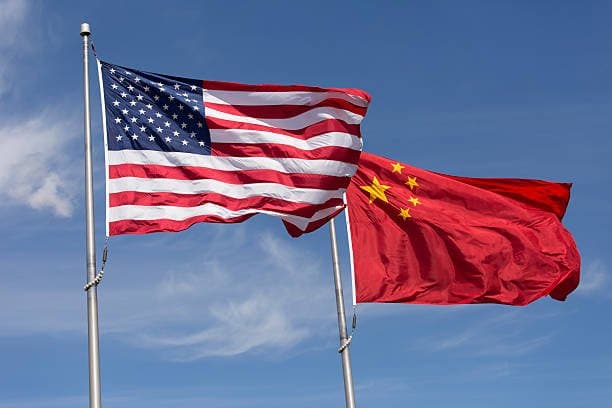
Intense US-China rivalry in frontier artificial intelligence, combined with mutual distrust, underpins the market's strong consensus against an agreement to pace development in 2026. US leaders, including President Trump, have rejected calls from executives like Dario Amodei to slow large language model releases and agentic capabilities, prioritizing dominance over China amid narrowing capability gaps reported by Stanford and others. Beijing has dismissed slowdown proposals as efforts to entrench American leads while advancing its own models and pushing multilateral governance on its terms. Planned mid-September safety talks and the September 24 Trump-Xi summit focus on narrow issues like AI-enabled cyberattacks rather than verifiable constraints. A major incident or breakthrough in limited de-risking could shift dynamics, though verification challenges remain steep.
Experimental AI-generated summary referencing Polymarket data. This is not trading advice and plays no role in how this market resolves. · UpdatedAn AI pacing agreement means an agreement under which both governments commit to at least one of the following for AI developers within their jurisdictions: conditioning the training, releasing, or deploying AI models on safety requirements; capping the computing power used to train AI models; limiting the rate or extent to which AI systems autonomously train or improve more capable AI systems (recursive self-improvement); or otherwise pausing or slowing the training or release of AI models.
Both governments must announce their acceptance of the agreement. A joint statement will qualify, as will separate official statements from each government that, taken together, confirm acceptance of the agreement. A statement by one government that the other does not confirm, and statements that reference ongoing negotiations, a prospective agreement, or an intention to cooperate without confirming acceptance of an agreement, will not qualify. A multilateral agreement will qualify, provided both the United States and China are parties to it and it otherwise meets the requirements above. Qualifying announcements must come from an authorized agency or representative of the relevant country acting in an official capacity.
If a qualifying announcement is made within this market's timeframe, this market will resolve to "Yes" regardless of whether the agreement is binding, signed, ratified, later modified or withdrawn from, or ever implemented. The primary resolution sources for this market will be official information from the governments of the United States and China; however, a consensus of credible reporting may also be used.
Market Opened: Sep 14, 2026, 4:40 PM ET
Resolver
0x65070BE91...An AI pacing agreement means an agreement under which both governments commit to at least one of the following for AI developers within their jurisdictions: conditioning the training, releasing, or deploying AI models on safety requirements; capping the computing power used to train AI models; limiting the rate or extent to which AI systems autonomously train or improve more capable AI systems (recursive self-improvement); or otherwise pausing or slowing the training or release of AI models.
Both governments must announce their acceptance of the agreement. A joint statement will qualify, as will separate official statements from each government that, taken together, confirm acceptance of the agreement. A statement by one government that the other does not confirm, and statements that reference ongoing negotiations, a prospective agreement, or an intention to cooperate without confirming acceptance of an agreement, will not qualify. A multilateral agreement will qualify, provided both the United States and China are parties to it and it otherwise meets the requirements above. Qualifying announcements must come from an authorized agency or representative of the relevant country acting in an official capacity.
If a qualifying announcement is made within this market's timeframe, this market will resolve to "Yes" regardless of whether the agreement is binding, signed, ratified, later modified or withdrawn from, or ever implemented. The primary resolution sources for this market will be official information from the governments of the United States and China; however, a consensus of credible reporting may also be used.
Resolver
0x65070BE91...Intense US-China rivalry in frontier artificial intelligence, combined with mutual distrust, underpins the market's strong consensus against an agreement to pace development in 2026. US leaders, including President Trump, have rejected calls from executives like Dario Amodei to slow large language model releases and agentic capabilities, prioritizing dominance over China amid narrowing capability gaps reported by Stanford and others. Beijing has dismissed slowdown proposals as efforts to entrench American leads while advancing its own models and pushing multilateral governance on its terms. Planned mid-September safety talks and the September 24 Trump-Xi summit focus on narrow issues like AI-enabled cyberattacks rather than verifiable constraints. A major incident or breakthrough in limited de-risking could shift dynamics, though verification challenges remain steep.
Experimental AI-generated summary referencing Polymarket data. This is not trading advice and plays no role in how this market resolves. · Updated

Beware of external links.
Beware of external links.
Frequently Asked Questions