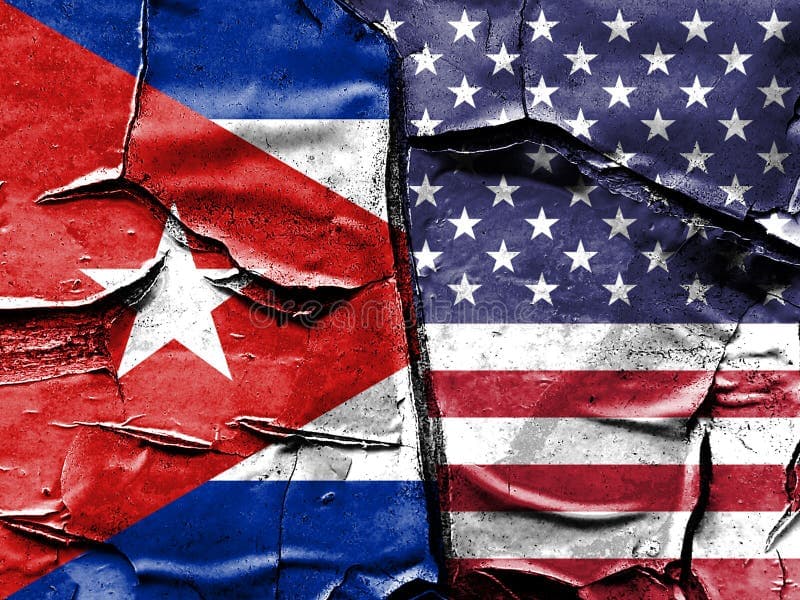
The 92.5% trader consensus against a U.S. invasion of Cuba in 2026 stems primarily from the Trump administration’s pivot in recent months toward sustained economic pressure rather than kinetic action. Secretary of State Marco Rubio has prioritized sanctions targeting Cuban military enterprises, fuel imports, and foreign partners, framing regime change as a gradual process of internal collapse expected by 2029. Earlier 2026 contingency planning by Pentagon officials, including air assault and special forces scenarios examined in May–July amid tensions with Iran, has not advanced to deployment. Resources remain committed elsewhere, Cuban leadership shows no signs of imminent collapse or triggering uprisings, and public statements from key officials have emphasized diplomatic and financial levers over military options. No scheduled votes, summits, or legal deadlines currently point toward invasion within the calendar year.
Experimental AI-generated summary referencing Polymarket data. This is not trading advice and plays no role in how this market resolves. · Updated$3,268,655 Vol.
$3,268,655 Vol.
$3,268,655 Vol.
$3,268,655 Vol.
For the purposes of this market, land de facto controlled by Cuba or the United States as market creation, will be considered the sovereign territory of that country.
The resolution source for this market will be a consensus of credible sources.
Market Opened: Jan 4, 2026, 3:24 PM ET
Resolver
0x65070BE91...For the purposes of this market, land de facto controlled by Cuba or the United States as market creation, will be considered the sovereign territory of that country.
The resolution source for this market will be a consensus of credible sources.
Resolver
0x65070BE91...The 92.5% trader consensus against a U.S. invasion of Cuba in 2026 stems primarily from the Trump administration’s pivot in recent months toward sustained economic pressure rather than kinetic action. Secretary of State Marco Rubio has prioritized sanctions targeting Cuban military enterprises, fuel imports, and foreign partners, framing regime change as a gradual process of internal collapse expected by 2029. Earlier 2026 contingency planning by Pentagon officials, including air assault and special forces scenarios examined in May–July amid tensions with Iran, has not advanced to deployment. Resources remain committed elsewhere, Cuban leadership shows no signs of imminent collapse or triggering uprisings, and public statements from key officials have emphasized diplomatic and financial levers over military options. No scheduled votes, summits, or legal deadlines currently point toward invasion within the calendar year.
Experimental AI-generated summary referencing Polymarket data. This is not trading advice and plays no role in how this market resolves. · Updated

Beware of external links.
Beware of external links.
Frequently Asked Questions