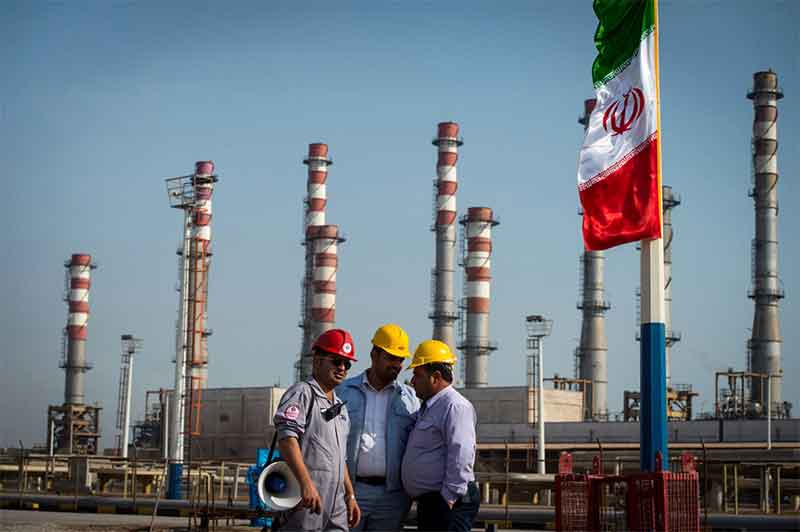
The US Treasury’s July 7 revocation of General License X, which had temporarily authorized Iranian crude, petrochemical, and petroleum sales through August 21, followed tanker attacks in the Strait of Hormuz and has left traders pricing in low odds of near-term reissuance. The original 60-day waiver, issued June 22 under a US-Iran memorandum of understanding, unlocked dollar-denominated transactions and an estimated $8–9 billion revenue opportunity while supporting lower global oil prices and easing Hormuz transit risks. With no subsequent waivers reported as of late August 2026, elevated geopolitical tensions, stalled final-deal talks, and unchanged OFAC restrictions continue to cap expectations. Key near-term catalysts include any renewed diplomatic signals or further maritime incidents that could alter the risk-reward calculus for energy markets.
Experimental AI-generated summary referencing Polymarket data. This is not trading advice and plays no role in how this market resolves. · Updated$250,568 Vol.
August 31
4%
$250,568 Vol.
August 31
4%
This market will resolve to “Yes” if the United States federal government issues a waiver, license, or equivalent sanctions-relief mechanism lifting US sanctions on the sale of Iranian oil, petrochemical products, or petroleum products by the specified date, 11:59 PM ET. Otherwise this market will resolve to “No”.
Actions which direct partial or full sanction relief will both qualify. However, qualifying actions must reverse, remove, waive, or suspend US penalties on the sale of Iranian oil, petrochemical products, or petroleum products, in whole or in part.
Qualifying actions need not be permanent; temporary suspensions of sanctions will qualify. Relief issued for either primary or secondary sanctions will qualify. A re-issuance of the initial waiver will qualify. The full removal of any sanction on the sale of Iranian oil, petrochemical products, or petroleum products will also qualify.
Continued sales of Iranian oil allowed during the wind-down period under this revocation order will not qualify. Mere extensions of the wind-down period, without issuance of a new qualifying sanctions-relief action, will not qualify.
Once a qualifying sanctions relief action has been taken, this market will resolve to “Yes,” regardless of any subsequent revocation.
The primary resolution source for this market will be official information from the United States federal government.
Market Opened: Jul 8, 2026, 2:35 PM ET
Resolver
0x65070BE91...This market will resolve to “Yes” if the United States federal government issues a waiver, license, or equivalent sanctions-relief mechanism lifting US sanctions on the sale of Iranian oil, petrochemical products, or petroleum products by the specified date, 11:59 PM ET. Otherwise this market will resolve to “No”.
Actions which direct partial or full sanction relief will both qualify. However, qualifying actions must reverse, remove, waive, or suspend US penalties on the sale of Iranian oil, petrochemical products, or petroleum products, in whole or in part.
Qualifying actions need not be permanent; temporary suspensions of sanctions will qualify. Relief issued for either primary or secondary sanctions will qualify. A re-issuance of the initial waiver will qualify. The full removal of any sanction on the sale of Iranian oil, petrochemical products, or petroleum products will also qualify.
Continued sales of Iranian oil allowed during the wind-down period under this revocation order will not qualify. Mere extensions of the wind-down period, without issuance of a new qualifying sanctions-relief action, will not qualify.
Once a qualifying sanctions relief action has been taken, this market will resolve to “Yes,” regardless of any subsequent revocation.
The primary resolution source for this market will be official information from the United States federal government.
Resolver
0x65070BE91...The US Treasury’s July 7 revocation of General License X, which had temporarily authorized Iranian crude, petrochemical, and petroleum sales through August 21, followed tanker attacks in the Strait of Hormuz and has left traders pricing in low odds of near-term reissuance. The original 60-day waiver, issued June 22 under a US-Iran memorandum of understanding, unlocked dollar-denominated transactions and an estimated $8–9 billion revenue opportunity while supporting lower global oil prices and easing Hormuz transit risks. With no subsequent waivers reported as of late August 2026, elevated geopolitical tensions, stalled final-deal talks, and unchanged OFAC restrictions continue to cap expectations. Key near-term catalysts include any renewed diplomatic signals or further maritime incidents that could alter the risk-reward calculus for energy markets.
Experimental AI-generated summary referencing Polymarket data. This is not trading advice and plays no role in how this market resolves. · Updated

Beware of external links.
Beware of external links.
Frequently Asked Questions