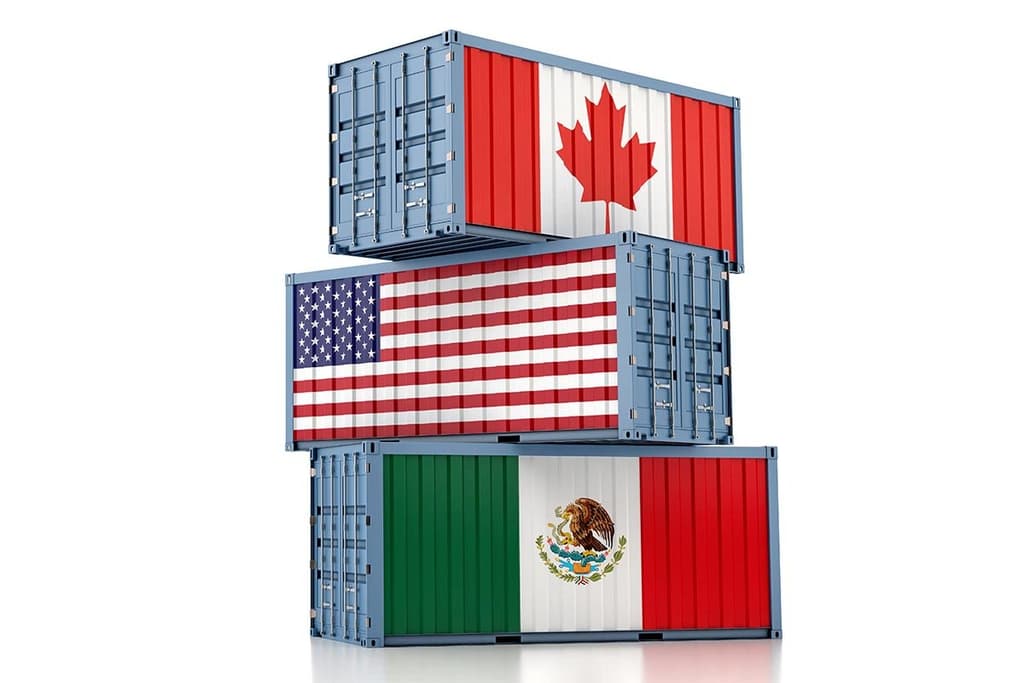
The US decision on July 1, 2026, not to confirm a 16-year extension of the USMCA during the mandatory joint review under Article 34.7 directly explains the 87% trader probability against an extension this year. US Trade Representative Jamieson Greer stated the agreement would not be renewed in its current form, citing US trade deficits with Canada and Mexico, automotive rules of origin, and measures to prevent non-North American goods from benefiting. This action activated annual reviews extending to a potential 2036 expiration, while bilateral talks with Mexico continue on amendments. Canada and Mexico had both formally supported extension, but the US position leaves any renewed 16-year term dependent on future consensus rather than the original 2026 deadline.
Experimental AI-generated summary referencing Polymarket data. This is not trading advice and plays no role in how this market resolves. · Updated$10,364 Vol.
$10,364 Vol.
$10,364 Vol.
$10,364 Vol.
A qualifying extension requires all three parties to formally extend the term of the agreement. This may occur through written confirmation of their wish to extend the term for a further period pursuant to USMCA Article 34.7, or through other formal means that clearly and definitively extend the term, such as a unanimous amendment of the agreement. An extension qualifies whether or not it also includes negotiated modifications to the original agreement.
The following will not qualify: announcements unaccompanied by a formal extension; extension of individual provisions that does not extend the agreement's term itself; commitments to extend by fewer than all three parties; and replacement of the USMCA with a separate or successor agreement, as opposed to continuation of the existing agreement.
The primary resolution source is official information from the United States, Canada, and Mexico; however, a consensus of credible reporting may also be used.
Market Opened: Jul 1, 2026, 5:35 PM ET
Resolver
0x65070BE91...A qualifying extension requires all three parties to formally extend the term of the agreement. This may occur through written confirmation of their wish to extend the term for a further period pursuant to USMCA Article 34.7, or through other formal means that clearly and definitively extend the term, such as a unanimous amendment of the agreement. An extension qualifies whether or not it also includes negotiated modifications to the original agreement.
The following will not qualify: announcements unaccompanied by a formal extension; extension of individual provisions that does not extend the agreement's term itself; commitments to extend by fewer than all three parties; and replacement of the USMCA with a separate or successor agreement, as opposed to continuation of the existing agreement.
The primary resolution source is official information from the United States, Canada, and Mexico; however, a consensus of credible reporting may also be used.
Resolver
0x65070BE91...The US decision on July 1, 2026, not to confirm a 16-year extension of the USMCA during the mandatory joint review under Article 34.7 directly explains the 87% trader probability against an extension this year. US Trade Representative Jamieson Greer stated the agreement would not be renewed in its current form, citing US trade deficits with Canada and Mexico, automotive rules of origin, and measures to prevent non-North American goods from benefiting. This action activated annual reviews extending to a potential 2036 expiration, while bilateral talks with Mexico continue on amendments. Canada and Mexico had both formally supported extension, but the US position leaves any renewed 16-year term dependent on future consensus rather than the original 2026 deadline.
Experimental AI-generated summary referencing Polymarket data. This is not trading advice and plays no role in how this market resolves. · Updated

Beware of external links.
Beware of external links.
Frequently Asked Questions