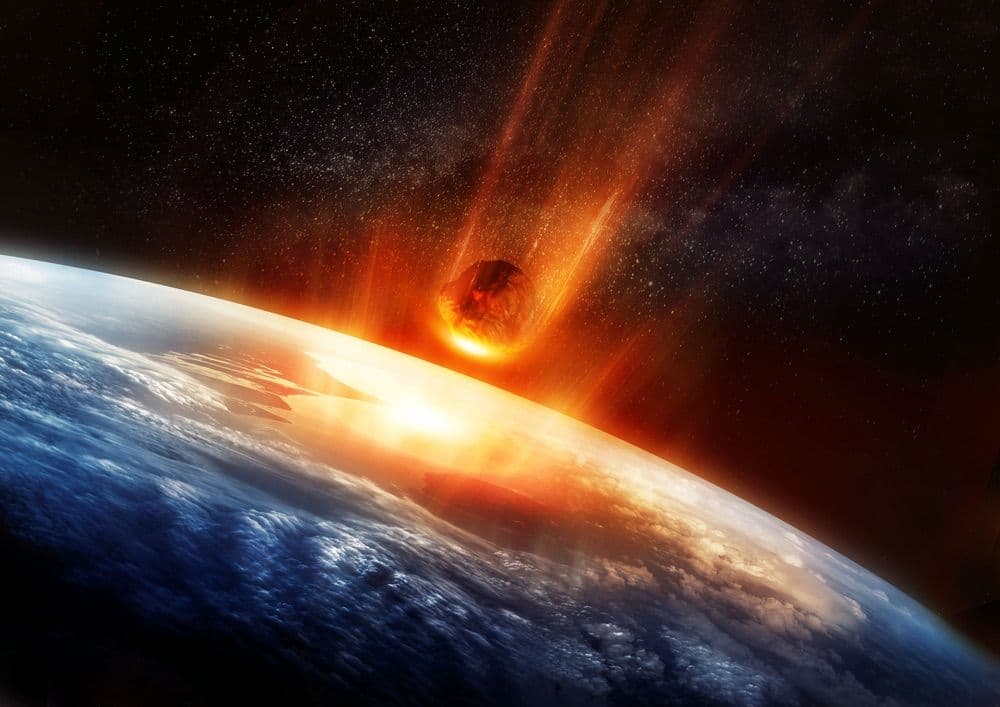
Traders assign a 98.3% probability to no 1-megaton meteor strike in 2026 because NASA’s Center for Near-Earth Object Studies and continuous Sentry monitoring detect no known asteroids on collision trajectories capable of delivering that energy. The base rate for megaton-class impacts remains extremely low at roughly 0.2% annually, with the most recent comparable event being the smaller Chelyabinsk airburst over a decade ago. Planetary defense systems have ruled out significant risks for the remainder of the year, and no new large objects have emerged in recent observations. While an undetected comet or sudden orbital shift could theoretically alter the outcome, such scenarios are considered negligible given current tracking capabilities and the limited time remaining.
Experimental AI-generated summary referencing Polymarket data. This is not trading advice and plays no role in how this market resolves. · Updated1 megaton meteor strike in 2026?
1 megaton meteor strike in 2026?
$116,343 Vol.
$116,343 Vol.
$116,343 Vol.
$116,343 Vol.
The object must be classified as a natural meteoroid; events involving artificial objects or reentry vehicles do not qualify.
The primary resolution source will be the NASA JPL Fireball and Bolide Data repository: https://cneos.jpl.nasa.gov/fireballs/. The relevant field for determining impact energy is the “Impact Energy (kt)” column. If this dataset has not been updated to include all relevant dates by February 28, 2027, or if the NASA JPL Fireball and Bolide Data repository becomes permanently unavailable, this market may resolve based on a consensus of credible sources including the European Space Agency (ESA), the International Asteroid Warning Network (IAWN), the U.S. Department of Defense, or credible reporting of a scientific consensus, such as a NASA press release.
Market Opened: Jan 2, 2026, 2:24 PM ET
Resolver
0x65070BE91...The object must be classified as a natural meteoroid; events involving artificial objects or reentry vehicles do not qualify.
The primary resolution source will be the NASA JPL Fireball and Bolide Data repository: https://cneos.jpl.nasa.gov/fireballs/. The relevant field for determining impact energy is the “Impact Energy (kt)” column. If this dataset has not been updated to include all relevant dates by February 28, 2027, or if the NASA JPL Fireball and Bolide Data repository becomes permanently unavailable, this market may resolve based on a consensus of credible sources including the European Space Agency (ESA), the International Asteroid Warning Network (IAWN), the U.S. Department of Defense, or credible reporting of a scientific consensus, such as a NASA press release.
Resolver
0x65070BE91...Traders assign a 98.3% probability to no 1-megaton meteor strike in 2026 because NASA’s Center for Near-Earth Object Studies and continuous Sentry monitoring detect no known asteroids on collision trajectories capable of delivering that energy. The base rate for megaton-class impacts remains extremely low at roughly 0.2% annually, with the most recent comparable event being the smaller Chelyabinsk airburst over a decade ago. Planetary defense systems have ruled out significant risks for the remainder of the year, and no new large objects have emerged in recent observations. While an undetected comet or sudden orbital shift could theoretically alter the outcome, such scenarios are considered negligible given current tracking capabilities and the limited time remaining.
Experimental AI-generated summary referencing Polymarket data. This is not trading advice and plays no role in how this market resolves. · Updated
Beware of external links.
Beware of external links.
Frequently Asked Questions