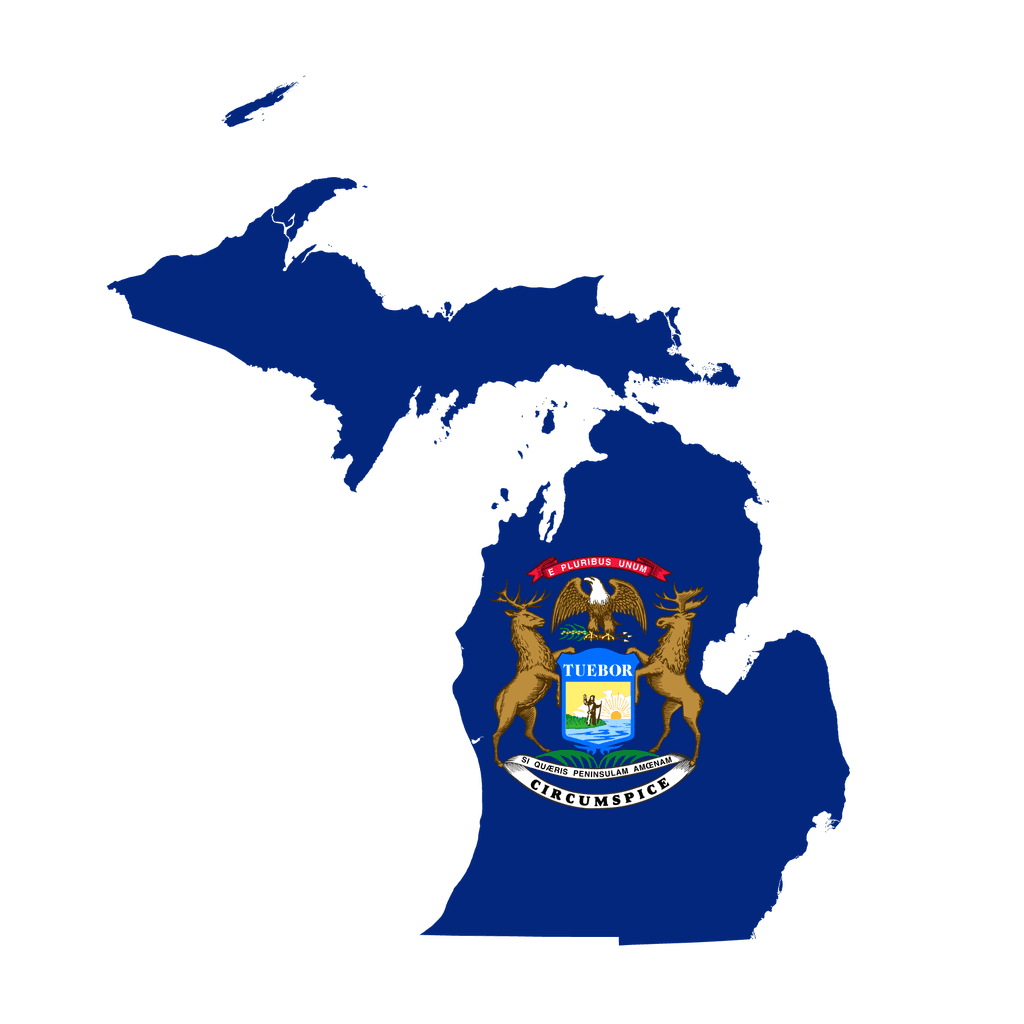
The national political environment, marked by a modest Democratic edge in generic ballot polling and special election swings of roughly 10 points, combines with Michigan’s 7-6 Republican House majority and three highly competitive districts (4, 7, and 10) to center trader expectations on Democrats netting 8 seats. Two open Republican-held seats (10 and the effects of redistricting dynamics) plus MI-8 create clear pickup opportunities, while safe Democratic districts anchor the floor near 7. Primaries concluded August 4 with established candidates, leaving few late surprises before November 3 and keeping the 8-seat outcome at 53.5% implied probability as the clearest reflection of current competitive math and modest national tailwinds.
Experimental AI-generated summary referencing Polymarket data. This is not trading advice and plays no role in how this market resolves. · Updated8 54%
9 21%
7 14%
6 12%
$10,465 Vol.
$10,465 Vol.
Nov 2, 2026
<5
<1%
5
1%
6
12%
7
14%
8
54%
9
21%
10+
1%
8 54%
9 21%
7 14%
6 12%
$10,465 Vol.
$10,465 Vol.
Nov 2, 2026
<5
$414 Vol.
<1%
5
$646 Vol.
1%
6
$3,018 Vol.
12%
7
$1,082 Vol.
14%
8
$2,947 Vol.
54%
9
$1,686 Vol.
21%
10+
$672 Vol.
1%
This market will resolve according to the number of seats in the US House of Representatives won by the Democratic Party in Michigan in the 2026 United States midterm election.
All Michigan US House of Representatives elections held as part of the 2026 United States midterm election that elect voting members and determine representation in the upcoming 120th congress are included. Special elections to fill a vacancy for the remainder of an unexpired term are not included, whether or not held concurrently with the 2026 United States midterm election. Runoffs for qualifying elections will determine attribution of the relevant seat.
Seats are attributed to the party under which the member was elected. If a member-elect changes party affiliation or vacates their seat after the date of the 2026 United States midterm election, the seat is attributed to the party under which the member was elected.
Members of the House elected as independents who formally caucus, or who announce their intent to caucus, with a party prior to the date of the 2026 United States midterm election are included in that party’s count. If the caucus decisions of relevant members of the US House of Representatives elected as independents cannot be determined as of the date of the 2026 United States midterm election, this market may remain open until the earlier of (i) an announcement from the relevant members of their intents to caucus, or (ii) January 4th, 11:59 PM ET of the following calendar year. If no such announcement is made by January 4th, 11:59 PM ET of the following calendar year, the member will not count towards the seat count of any party.
The resolution sources for this market will be official information from relevant state electoral authorities, the United States Congress, and a consensus of credible reporting.The national political environment, marked by a modest Democratic edge in generic ballot polling and special election swings of roughly 10 points, combines with Michigan’s 7-6 Republican House majority and three highly competitive districts (4, 7, and 10) to center trader expectations on Democrats netting 8 seats. Two open Republican-held seats (10 and the effects of redistricting dynamics) plus MI-8 create clear pickup opportunities, while safe Democratic districts anchor the floor near 7. Primaries concluded August 4 with established candidates, leaving few late surprises before November 3 and keeping the 8-seat outcome at 53.5% implied probability as the clearest reflection of current competitive math and modest national tailwinds.
This market will resolve according to the number of seats in the US House of Representatives won by the Democratic Party in Michigan in the 2026 United States midterm election.
All Michigan US House of Representatives elections held as part of the 2026 United States midterm election that elect voting members and determine representation in the upcoming 120th congress are included. Special elections to fill a vacancy for the remainder of an unexpired term are not included, whether or not held concurrently with the 2026 United States midterm election. Runoffs for qualifying elections will determine attribution of the relevant seat.
Seats are attributed to the party under which the member was elected. If a member-elect changes party affiliation or vacates their seat after the date of the 2026 United States midterm election, the seat is attributed to the party under which the member was elected.
Members of the House elected as independents who formally caucus, or who announce their intent to caucus, with a party prior to the date of the 2026 United States midterm election are included in that party’s count. If the caucus decisions of relevant members of the US House of Representatives elected as independents cannot be determined as of the date of the 2026 United States midterm election, this market may remain open until the earlier of (i) an announcement from the relevant members of their intents to caucus, or (ii) January 4th, 11:59 PM ET of the following calendar year. If no such announcement is made by January 4th, 11:59 PM ET of the following calendar year, the member will not count towards the seat count of any party.
The resolution sources for this market will be official information from relevant state electoral authorities, the United States Congress, and a consensus of credible reporting.
All Michigan US House of Representatives elections held as part of the 2026 United States midterm election that elect voting members and determine representation in the upcoming 120th congress are included. Special elections to fill a vacancy for the remainder of an unexpired term are not included, whether or not held concurrently with the 2026 United States midterm election. Runoffs for qualifying elections will determine attribution of the relevant seat.
Seats are attributed to the party under which the member was elected. If a member-elect changes party affiliation or vacates their seat after the date of the 2026 United States midterm election, the seat is attributed to the party under which the member was elected.
Members of the House elected as independents who formally caucus, or who announce their intent to caucus, with a party prior to the date of the 2026 United States midterm election are included in that party’s count. If the caucus decisions of relevant members of the US House of Representatives elected as independents cannot be determined as of the date of the 2026 United States midterm election, this market may remain open until the earlier of (i) an announcement from the relevant members of their intents to caucus, or (ii) January 4th, 11:59 PM ET of the following calendar year. If no such announcement is made by January 4th, 11:59 PM ET of the following calendar year, the member will not count towards the seat count of any party.
The resolution sources for this market will be official information from relevant state electoral authorities, the United States Congress, and a consensus of credible reporting.
Market Opened: Aug 11, 2026, 10:12 AM ET
Volume
$10,465End Date
Nov 3, 2026Market Opened
Aug 11, 2026, 10:12 AM ETResolver
0x69c47De9D...This market will resolve according to the number of seats in the US House of Representatives won by the Democratic Party in Michigan in the 2026 United States midterm election.
All Michigan US House of Representatives elections held as part of the 2026 United States midterm election that elect voting members and determine representation in the upcoming 120th congress are included. Special elections to fill a vacancy for the remainder of an unexpired term are not included, whether or not held concurrently with the 2026 United States midterm election. Runoffs for qualifying elections will determine attribution of the relevant seat.
Seats are attributed to the party under which the member was elected. If a member-elect changes party affiliation or vacates their seat after the date of the 2026 United States midterm election, the seat is attributed to the party under which the member was elected.
Members of the House elected as independents who formally caucus, or who announce their intent to caucus, with a party prior to the date of the 2026 United States midterm election are included in that party’s count. If the caucus decisions of relevant members of the US House of Representatives elected as independents cannot be determined as of the date of the 2026 United States midterm election, this market may remain open until the earlier of (i) an announcement from the relevant members of their intents to caucus, or (ii) January 4th, 11:59 PM ET of the following calendar year. If no such announcement is made by January 4th, 11:59 PM ET of the following calendar year, the member will not count towards the seat count of any party.
The resolution sources for this market will be official information from relevant state electoral authorities, the United States Congress, and a consensus of credible reporting.The national political environment, marked by a modest Democratic edge in generic ballot polling and special election swings of roughly 10 points, combines with Michigan’s 7-6 Republican House majority and three highly competitive districts (4, 7, and 10) to center trader expectations on Democrats netting 8 seats. Two open Republican-held seats (10 and the effects of redistricting dynamics) plus MI-8 create clear pickup opportunities, while safe Democratic districts anchor the floor near 7. Primaries concluded August 4 with established candidates, leaving few late surprises before November 3 and keeping the 8-seat outcome at 53.5% implied probability as the clearest reflection of current competitive math and modest national tailwinds.
This market will resolve according to the number of seats in the US House of Representatives won by the Democratic Party in Michigan in the 2026 United States midterm election.
All Michigan US House of Representatives elections held as part of the 2026 United States midterm election that elect voting members and determine representation in the upcoming 120th congress are included. Special elections to fill a vacancy for the remainder of an unexpired term are not included, whether or not held concurrently with the 2026 United States midterm election. Runoffs for qualifying elections will determine attribution of the relevant seat.
Seats are attributed to the party under which the member was elected. If a member-elect changes party affiliation or vacates their seat after the date of the 2026 United States midterm election, the seat is attributed to the party under which the member was elected.
Members of the House elected as independents who formally caucus, or who announce their intent to caucus, with a party prior to the date of the 2026 United States midterm election are included in that party’s count. If the caucus decisions of relevant members of the US House of Representatives elected as independents cannot be determined as of the date of the 2026 United States midterm election, this market may remain open until the earlier of (i) an announcement from the relevant members of their intents to caucus, or (ii) January 4th, 11:59 PM ET of the following calendar year. If no such announcement is made by January 4th, 11:59 PM ET of the following calendar year, the member will not count towards the seat count of any party.
The resolution sources for this market will be official information from relevant state electoral authorities, the United States Congress, and a consensus of credible reporting.
All Michigan US House of Representatives elections held as part of the 2026 United States midterm election that elect voting members and determine representation in the upcoming 120th congress are included. Special elections to fill a vacancy for the remainder of an unexpired term are not included, whether or not held concurrently with the 2026 United States midterm election. Runoffs for qualifying elections will determine attribution of the relevant seat.
Seats are attributed to the party under which the member was elected. If a member-elect changes party affiliation or vacates their seat after the date of the 2026 United States midterm election, the seat is attributed to the party under which the member was elected.
Members of the House elected as independents who formally caucus, or who announce their intent to caucus, with a party prior to the date of the 2026 United States midterm election are included in that party’s count. If the caucus decisions of relevant members of the US House of Representatives elected as independents cannot be determined as of the date of the 2026 United States midterm election, this market may remain open until the earlier of (i) an announcement from the relevant members of their intents to caucus, or (ii) January 4th, 11:59 PM ET of the following calendar year. If no such announcement is made by January 4th, 11:59 PM ET of the following calendar year, the member will not count towards the seat count of any party.
The resolution sources for this market will be official information from relevant state electoral authorities, the United States Congress, and a consensus of credible reporting.
Volume
$10,465End Date
Nov 3, 2026Market Opened
Aug 11, 2026, 10:12 AM ETResolver
0x69c47De9D...The national political environment, marked by a modest Democratic edge in generic ballot polling and special election swings of roughly 10 points, combines with Michigan’s 7-6 Republican House majority and three highly competitive districts (4, 7, and 10) to center trader expectations on Democrats netting 8 seats. Two open Republican-held seats (10 and the effects of redistricting dynamics) plus MI-8 create clear pickup opportunities, while safe Democratic districts anchor the floor near 7. Primaries concluded August 4 with established candidates, leaving few late surprises before November 3 and keeping the 8-seat outcome at 53.5% implied probability as the clearest reflection of current competitive math and modest national tailwinds.
Experimental AI-generated summary referencing Polymarket data. This is not trading advice and plays no role in how this market resolves. · Updated


Beware of external links.
Beware of external links.
Frequently Asked Questions