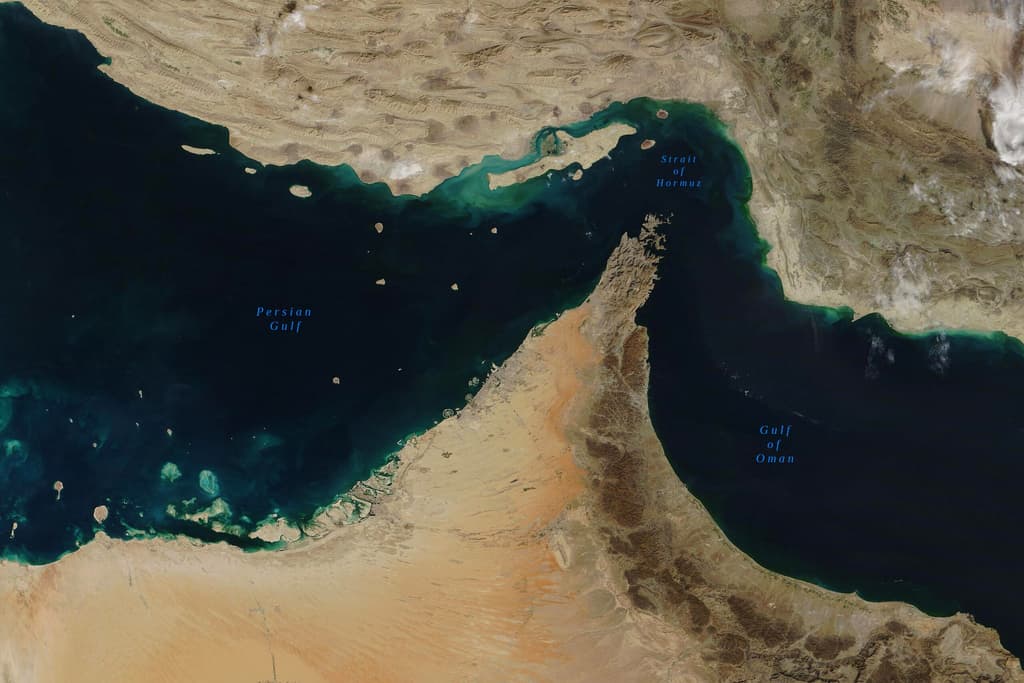
Ongoing U.S.-Iran conflict and Iranian Revolutionary Guard controls have kept Strait of Hormuz transits severely depressed since March 2026, with daily commodity vessel crossings averaging just 5–15 recently versus the pre-war baseline of ~130. This stems from blockades, drone threats, elevated war-risk insurance premiums, and shadow-fleet operations, slashing Gulf crude flows to roughly 2.2 million barrels per day and contributing to Brent prices holding near $88. Diplomatic talks with Oman on temporary corridors offer the main near-term catalyst that could lift volumes before the September 30 resolution window, while any re-escalation or sanctions tightening would reinforce low-traffic conditions. Traders price these probabilities based on real-time maritime data from firms like Kpler and Windward, reflecting capital-at-risk assessments of geopolitical de-escalation versus sustained disruption.
Experimental AI-generated summary referencing Polymarket data. This is not trading advice and plays no role in how this market resolves. · UpdatedWill __ ships transit the Strait of Hormuz on any day by September 30?
Will __ ships transit the Strait of Hormuz on any day by September 30?
$11,355 Vol.
10+
70%
20+
31%
30+
22%
40+
15%
50+
12%
$11,355 Vol.
10+
70%
20+
31%
30+
22%
40+
15%
50+
12%
Transit calls include container, dry bulk, roll-on/roll-off, general cargo, and tanker ships. Ships not reported by IMF Portwatch will not be considered.
Data for a specific date must be finalized before it is considered for this market (namely, once the next date's data point is available, the previous one is finalized).
This market will resolve as soon as a qualifying figure has been finalized or once all relevant data has been finalized. If the data for the final date of the specified timeframe has not been finalized by the end of the third calendar day (ET) after the day on which such data is first released, this market will resolve based on data published up to that point. Additionally, if not all relevant data has been released and finalized within 14 calendar days of the end of the specified period, this market will resolve based on data published up to that point.
In case of obvious data integrity issues (i.e., erroneous data), the market may remain open until the end of the third calendar day (ET) after the date on which such data is first released to allow for corrections. Data integrity issues refer only to clerical or other similar errors in the underlying data, and do not include cases where IMF Portwatch differs from alternative sources.
Only revisions to previously published data points made before the applicable resolution time will be considered.
The resolution source for this market will be IMF Portwatch, specifically the transit calls data published for the Strait of Hormuz at https://portwatch.imf.org/pages/cb5856222a5b4105adc6ee7e880a1730, both in the chart and through downloadable files.
Market Opened: Aug 27, 2026, 6:57 PM ET
Resolver
0x65070BE91...Transit calls include container, dry bulk, roll-on/roll-off, general cargo, and tanker ships. Ships not reported by IMF Portwatch will not be considered.
Data for a specific date must be finalized before it is considered for this market (namely, once the next date's data point is available, the previous one is finalized).
This market will resolve as soon as a qualifying figure has been finalized or once all relevant data has been finalized. If the data for the final date of the specified timeframe has not been finalized by the end of the third calendar day (ET) after the day on which such data is first released, this market will resolve based on data published up to that point. Additionally, if not all relevant data has been released and finalized within 14 calendar days of the end of the specified period, this market will resolve based on data published up to that point.
In case of obvious data integrity issues (i.e., erroneous data), the market may remain open until the end of the third calendar day (ET) after the date on which such data is first released to allow for corrections. Data integrity issues refer only to clerical or other similar errors in the underlying data, and do not include cases where IMF Portwatch differs from alternative sources.
Only revisions to previously published data points made before the applicable resolution time will be considered.
The resolution source for this market will be IMF Portwatch, specifically the transit calls data published for the Strait of Hormuz at https://portwatch.imf.org/pages/cb5856222a5b4105adc6ee7e880a1730, both in the chart and through downloadable files.
Resolver
0x65070BE91...Ongoing U.S.-Iran conflict and Iranian Revolutionary Guard controls have kept Strait of Hormuz transits severely depressed since March 2026, with daily commodity vessel crossings averaging just 5–15 recently versus the pre-war baseline of ~130. This stems from blockades, drone threats, elevated war-risk insurance premiums, and shadow-fleet operations, slashing Gulf crude flows to roughly 2.2 million barrels per day and contributing to Brent prices holding near $88. Diplomatic talks with Oman on temporary corridors offer the main near-term catalyst that could lift volumes before the September 30 resolution window, while any re-escalation or sanctions tightening would reinforce low-traffic conditions. Traders price these probabilities based on real-time maritime data from firms like Kpler and Windward, reflecting capital-at-risk assessments of geopolitical de-escalation versus sustained disruption.
Experimental AI-generated summary referencing Polymarket data. This is not trading advice and plays no role in how this market resolves. · Updated
Beware of external links.
Beware of external links.
Frequently Asked Questions